

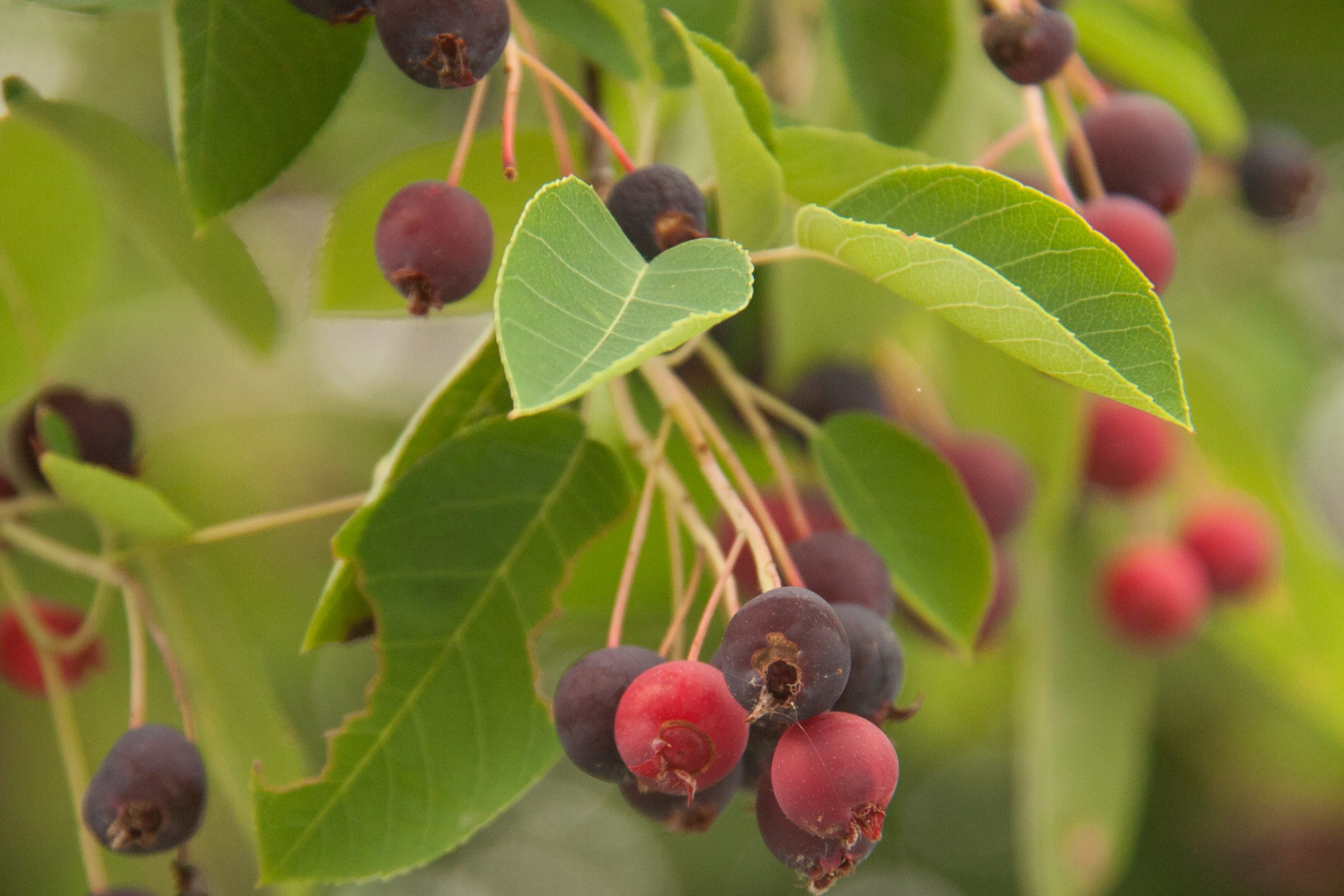
lagourmandinerhumerie.com – Serviceberry is a group of small trees and shrubs belonging to the Amelanchier genus, admired for their seasonal beauty, edible fruit, and important ecological benefits. Native to North America, Europe, and parts of Asia, serviceberries are widely valued in landscapes, home gardens, and natural ecosystems.
What Is Serviceberry?
Serviceberry refers to several species within the Amelanchier genus. These plants typically grow as small deciduous trees or large shrubs, reaching heights of 3 to 12 meters, depending on the species. They are known for their graceful form and adaptability to various climates and soil conditions.
The name “serviceberry” is believed to come from early American traditions, when the blooming of the tree signaled that the ground had thawed enough to hold religious services or burials after winter.
Seasonal Beauty
One of the most attractive qualities of serviceberry is its year-round visual appeal:
-
Spring: Delicate white flowers bloom early, often before most trees leaf out.
-
Summer: Small, round berries ripen from red to deep purple or blue.
-
Autumn: Leaves turn vibrant shades of orange, red, and yellow.
-
Winter: Smooth gray bark and elegant branching add subtle interest.
This seasonal transformation makes serviceberry a popular choice for ornamental planting.
Edible and Nutritious Fruit
Serviceberries produce sweet, juicy fruits that resemble blueberries in appearance and flavor, often with hints of almond or apple. The berries are rich in vitamins, antioxidants, and fiber.
They can be eaten fresh or used in a variety of dishes, including:
-
Pies and tarts
-
Jams and preserves
-
Muffins and pancakes
-
Dried fruit snacks
Indigenous peoples historically relied on serviceberries as an important food source, often drying them for long-term storage.
Ecological Importance
Serviceberry plays a vital role in supporting wildlife. Its early spring flowers provide nectar for pollinators such as bees and butterflies, while the berries serve as food for birds and small mammals. Additionally, the tree offers shelter and nesting sites for various species.
Because of its ecological value, serviceberry is often included in native planting and habitat restoration projects.
Growing and Care
Serviceberry is relatively easy to grow and maintain. It prefers well-drained soil and full sun to partial shade. Once established, it is moderately drought-tolerant and resistant to many pests and diseases.
Regular pruning helps maintain shape and encourages healthy growth, while mulching can support soil moisture and root health.
Uses in Landscaping
In landscaping, serviceberry is valued for its versatility. It can be planted as a specimen tree, in naturalized settings, or as part of hedgerows. Its manageable size makes it suitable for urban gardens, parks, and residential landscapes.
Serviceberry is a remarkable plant that combines natural beauty, edible fruit, and ecological benefits. With its changing seasonal display and minimal maintenance needs, it stands as an excellent choice for gardeners and landscapers seeking both aesthetic and environmental value. Whether admired for its blossoms, harvested for its berries, or planted to support wildlife, serviceberry remains a timeless and rewarding tree.